(PLAY VIDEO) Madeline Breckinridge, a descendant of Henry Clay and Ephraim McDowell was born 1872 in Franklin County, Kentucky; grew up at “Ashland,” Clay’s home; and married Desha Breckinridge, editor of Lexington Herald. Ill with tuberculosis, she promoted its treatment and cure; advanced educational opportunities for poor children in Lexington and entire state; and helped gain voting rights for women. Kentucky Suffrage Leader – Madeline McDowell Breckinridge saw woman suffrage as a way to advance social reform. Served as pres. of Ky. Equal Rights Assoc. 1912-15 and 1919-20; vice pres. of National American Woman Suffrage Assoc., 1913-15. Ratification of 19th amendment by Ky. legislature, 1920, largely credited to her efforts. She died same year, after amendment passed. Buried in Lexington Cem. The historical marker is located at “Ashland,” the estate of Henry Clay, Lexington.
READ MORE & SEE A MAP LOCATING THE MADELINE BRECKINRIDGE MARKER
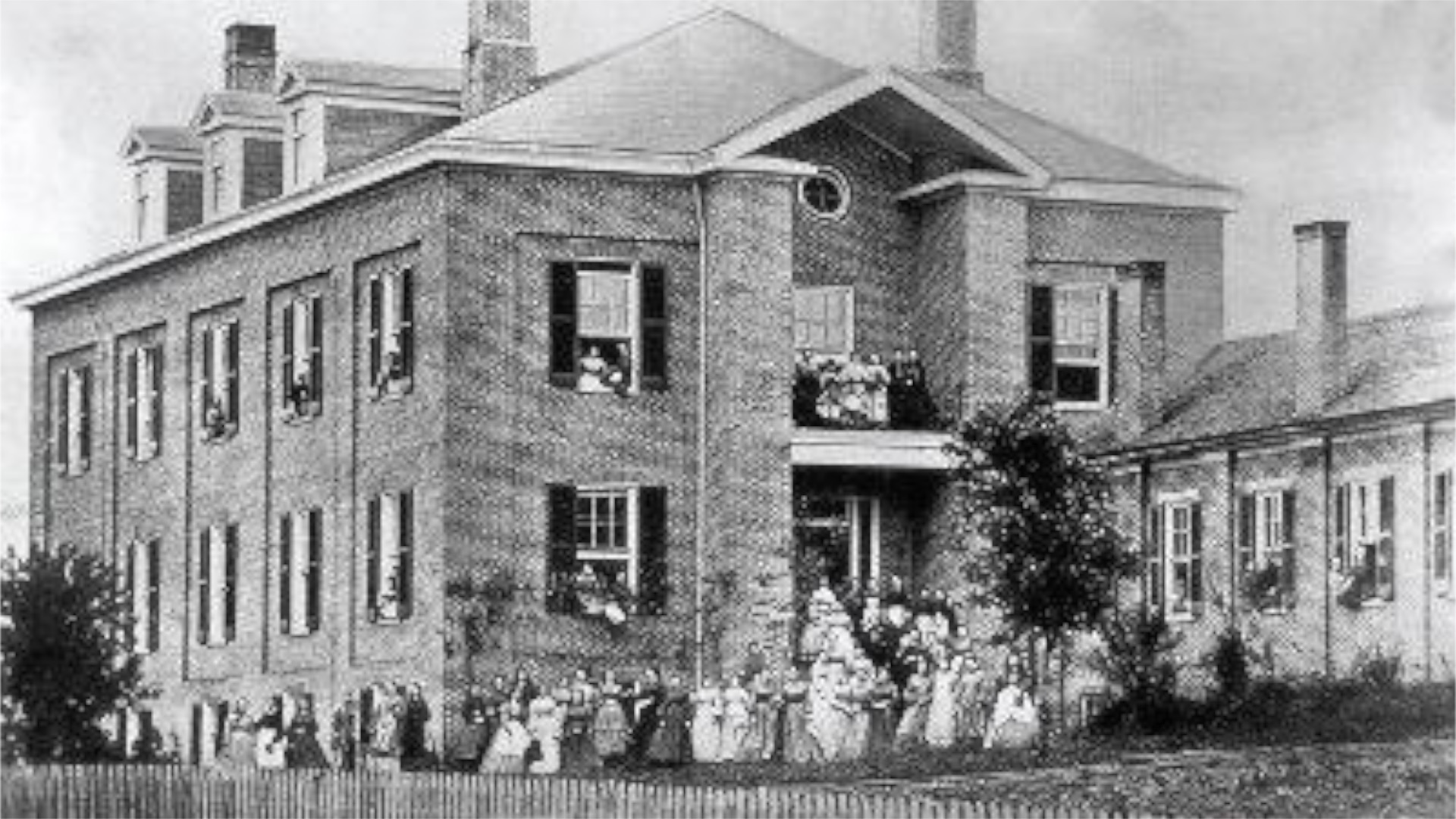
Midway Junior College-Pinkerton High School: Operated by Kentucky Female Orphan School since 1944. Orphan school was founded by James Parrish and Dr. Lewis L. Pinkerton. It was the first female orphan school in the United States. Chartered by 1846 Kentucky Legislature. Opened in 1849 with 14 students present, and for over a century has provided for deserving young women. The historical marker is at the entrance to Midway College, US 62, in Midway,
(PLAY VIDEO) Nettie Depp was the first female public official in Barren County, she was elected in 1913, seven years before women were allowed to vote. She was Barren Co. schools superintendent from 1914-1917. Instrumental in unifying local schools to create county’s first 4-year high school, housed in former Liberty College, Glasgow. During her time as superintendent, she introduced a uniform curricula for all schools, improved & repaired local one-room schools, and built seven new school houses. She was later principal at Cave City School until 1923. She was asked to run for re-election as superintendent, but declined. Taught school in Scottsville from 1923-31. Presented by Glasgow B&PW Club. The historical marker is located on the Barren County Courthouse lawn, Glasgow, KY.
READ MORE AND SEE A MAP LOCATING THE NETTIE DEPP MARKER.
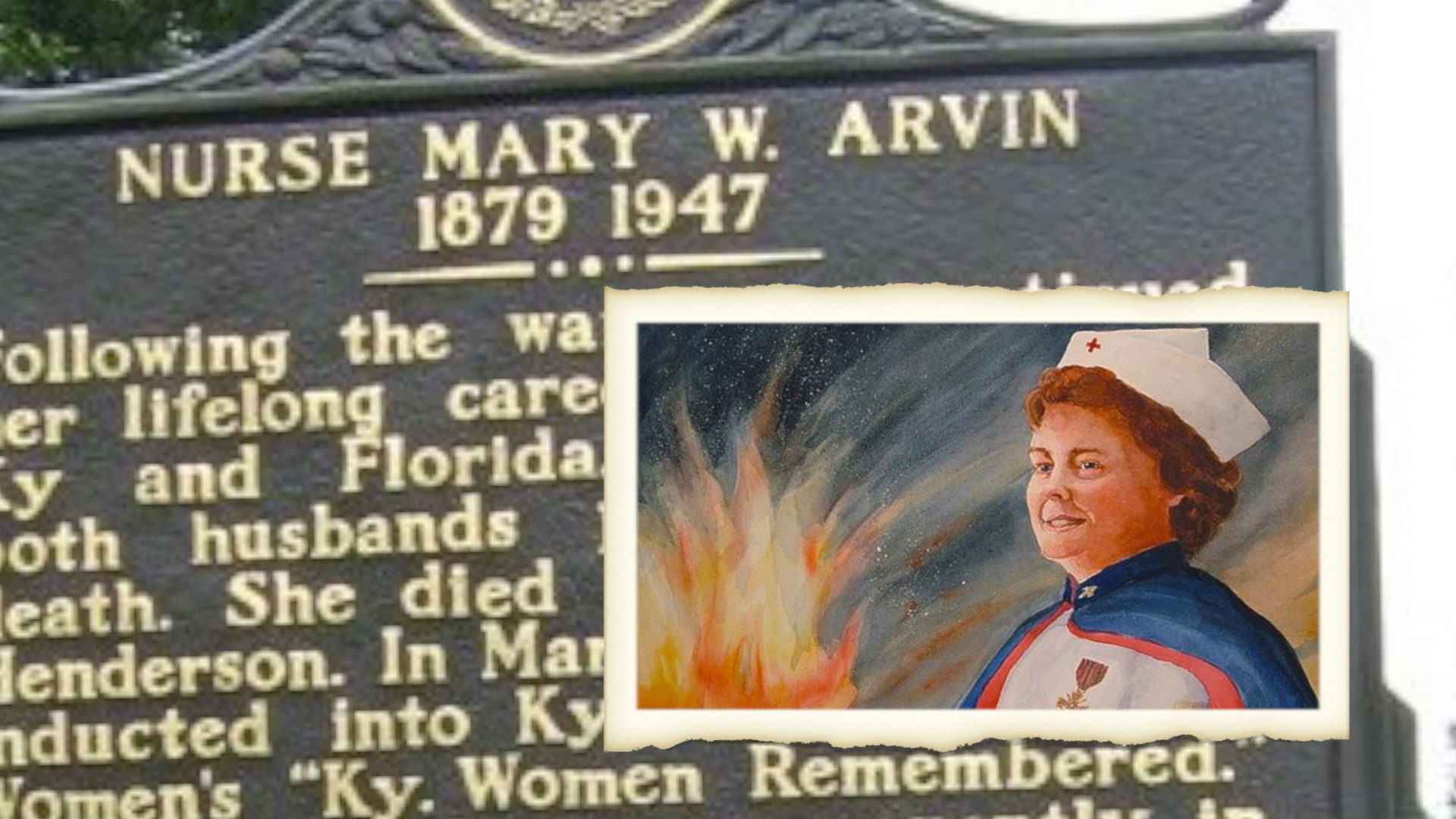
Ky’s most decorated WWI female veteran, Mary Arvin was born April 21, 1879, in Henderson, KY. She was a 1904 graduate of School of Nursing, Owensboro City Hospital. She joined the Red Cross and served with Base Hospital #5 during war. On June 30, 1918, the hospital in France was bombed by the enemy. For her heroic actions during the raid, she was decorated by France, England & US. Following the war, Nurse Arvin continued her lifelong career of nursing in Kentucky and Florida. She married twice; both husbands preceded her in death. She died Sept. 9, 1947, in Henderson. In March 2006, she was inducted into Kentucky Commission on Women’s “Kentucky Women Remembered Exhibit.” Her portrait hangs permanently in the Kentucky State Capitol in the west wing. Presented by Kentucky Women in the Military Committee, KDVA. The historical marker is located in the Fernwood Cemetery, Henderson, Kentucky.
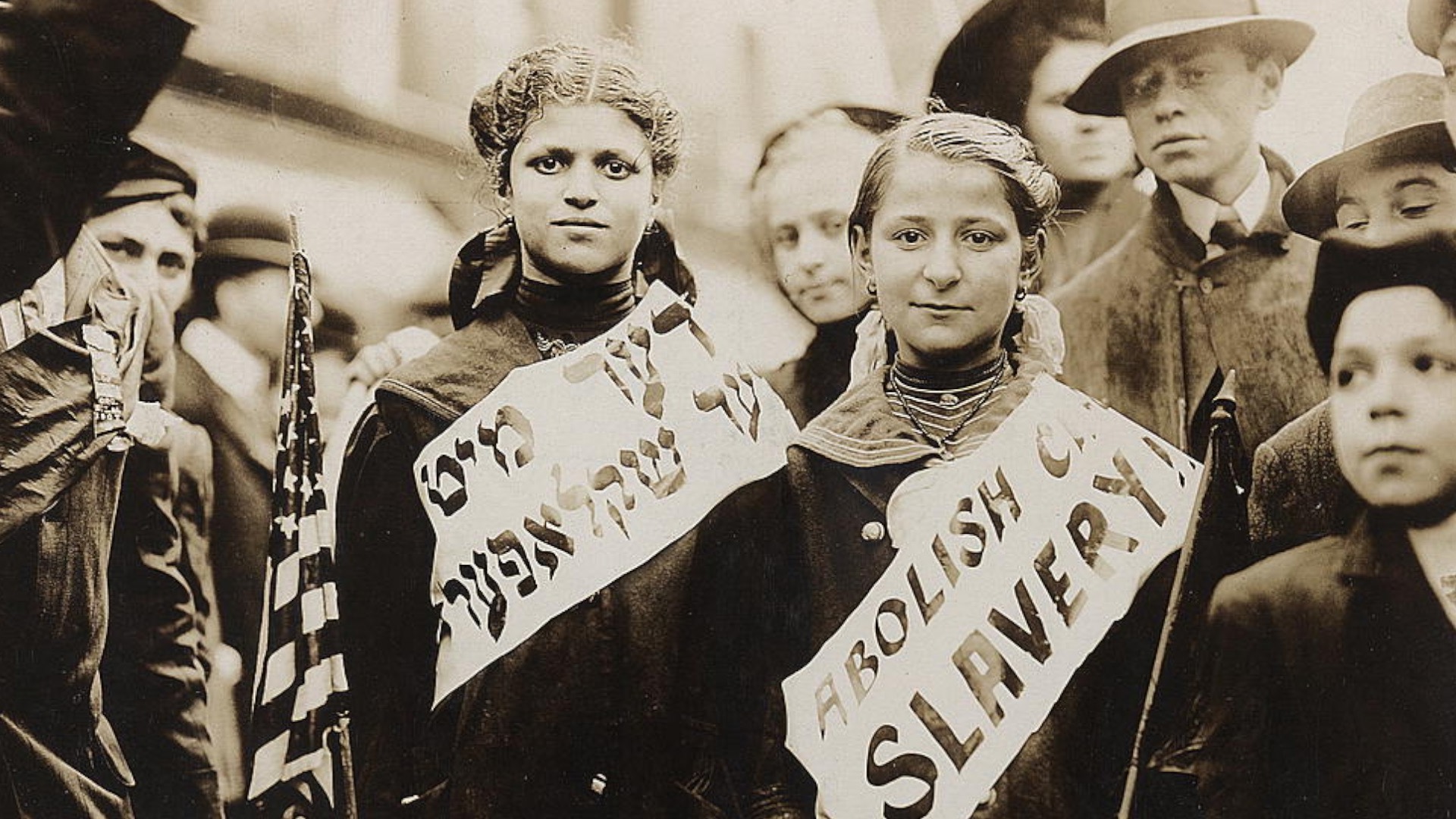 Rebecca Rosenthal Judah organized the National Council of Jewish Women, Louisville Section, and served as their president from 1896 to 1910. She worked to win women’s right to vote and was also vice president and treasurer of the Kentucky Equal Rights Association. The Louisville Section was founded in 1895 to further human welfare through education, philanthropy, service, and social action. NCJW helped run the city’s free public baths and first kindergarten. Also supported immigrant aid programs, hospitals, libraries, child welfare initiatives. The historical marker is located at 3600 Dutchmans Lane, Louisville. She fought for child labor laws. READ MORE AND SEE A MAP LOCATING THE REBECCA ROSENTHAL JUDAH MARKER
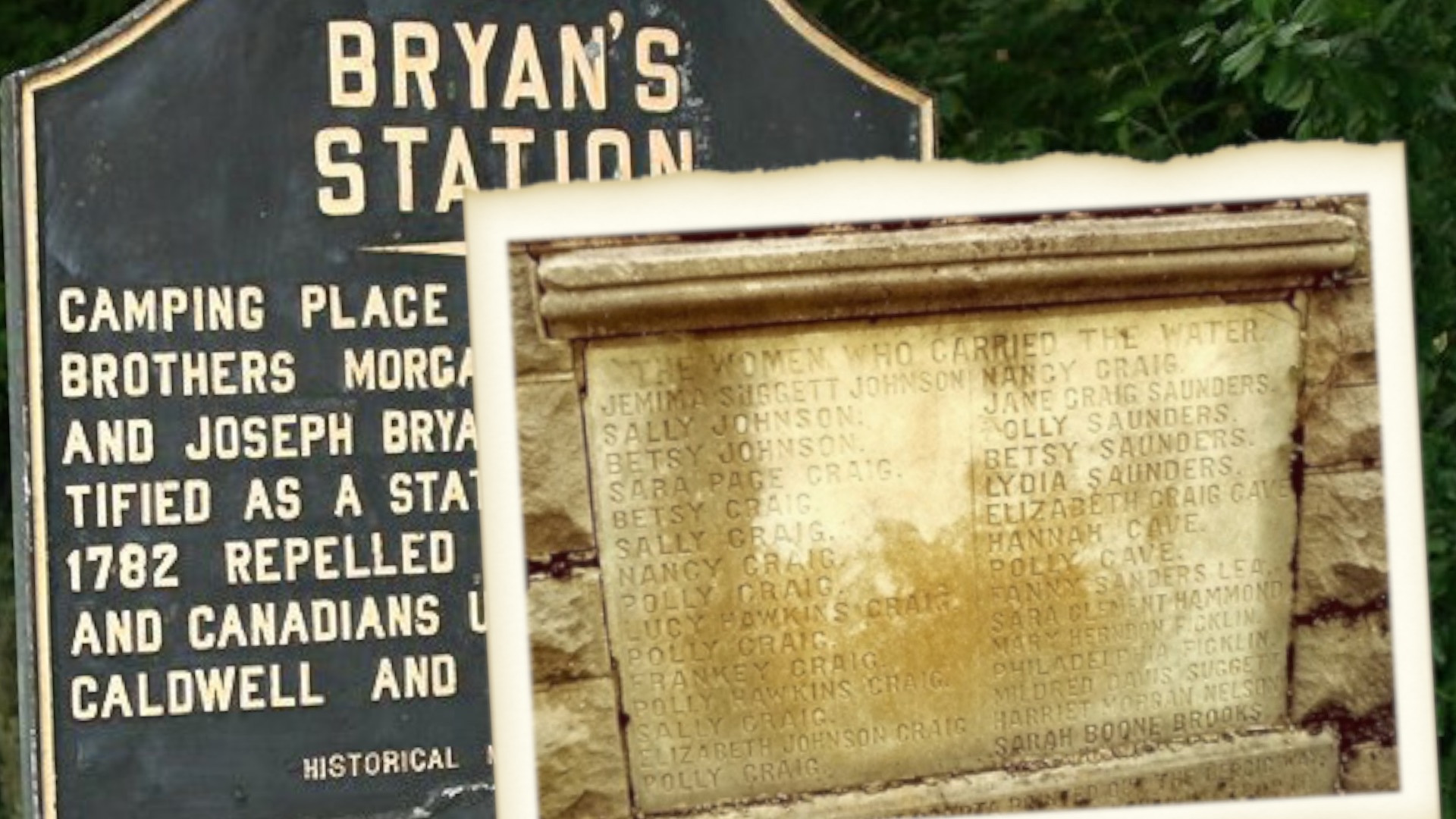 Tradition holds that Jemima Suggett Johnson (1753-1814) led women at Bryan’s Station, near Lexington, to a nearby spring for water just before siege in 1782. Three sons served in U.S. Congress in 1825: Rep. James & John T. and Sen. Richard M. Johnson, who became U.S. vice president in 1837. Robert Johnson (1745-1815) moved from Beargrass to Bryan’s Station in 1780. Founded Johnson’s Station at Great Crossing, 1783. Represented Fayette Co. in Va. Assembly. Surveyor of Ky. Led defense against Indians, 1787-93. Trustee of Georgetown. Member of Ky. Constitutional Conventions of 1792 & 1799 and Ky. Legislature in 1802. Justice of Scott County. Charter members & land donors of Great Crossing Baptist Church. Buried with 5 of 11 children in church cemetery. The historical marker is located at 2089 Frankfort Rd., Georgetown, KY.
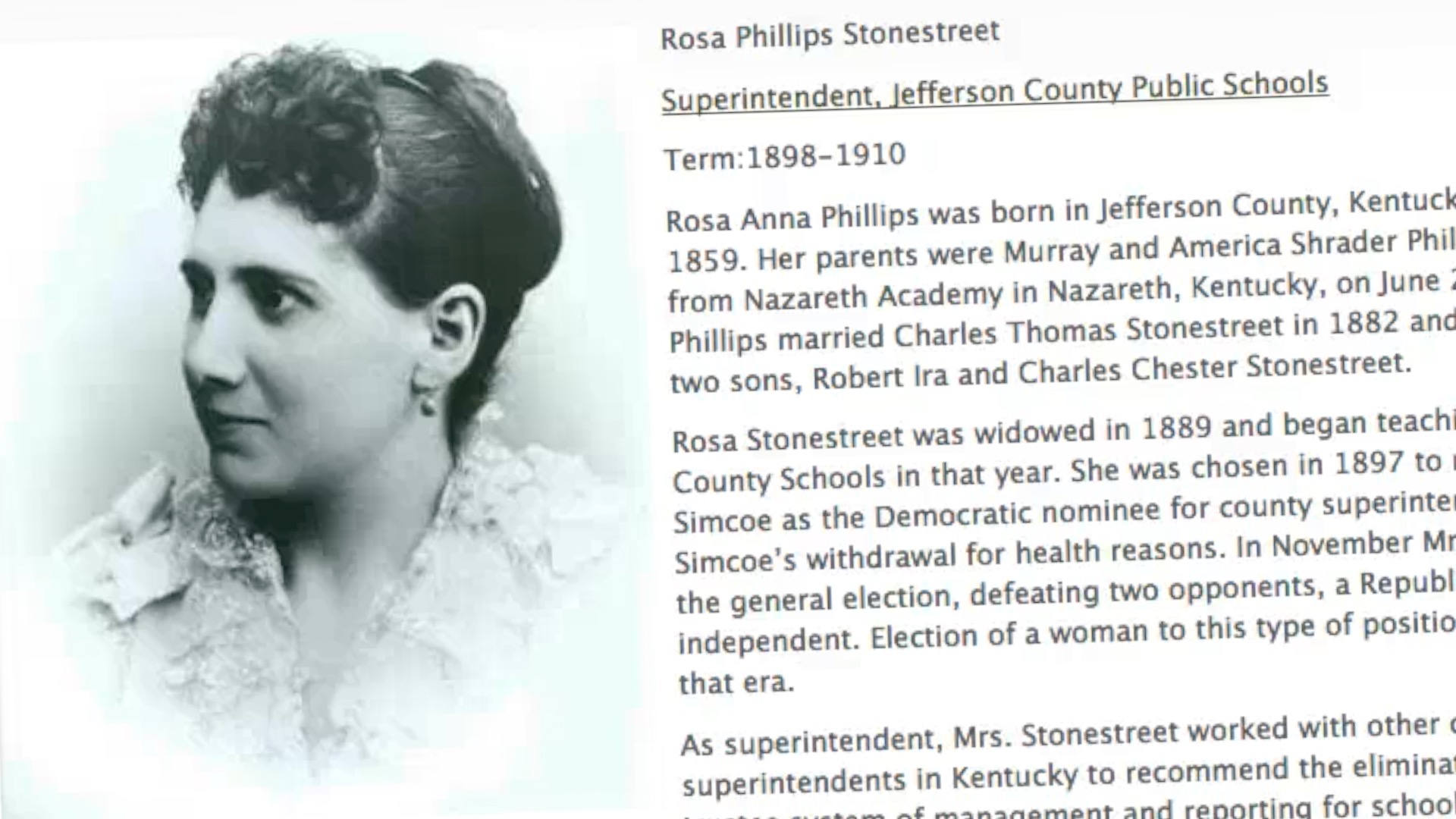 Rosa Phillips Stonestreet, 1859-1936 written by Amy Roe. Historical Marker #2196 in Louisville recognizes the achievements of pioneer educator Rosa Anna (Phillips) Stonestreet. Stonestreet was born in Jefferson County, Kentucky, on February 18, 1859. She died in Louisville on April 7, 1936, and is buried in Cave Hill Cemetery. She graduated from the Nazareth Academy in 1877. The Nazareth Academy was the first convent school west of the Appalachian Mountains and was operated by the Sisters of Charity of Nazareth. Nazareth Academy became Nazareth College in 1922, and, in 1971, merged with Spalding University which is currently located in Louisville. To honor Stonestreet, in 1994 the Jefferson County Board of Education renamed Stonestreet Elementary School to Rosa Phillips Stonestreet Elementary School. The historical marker is located at 10007 Stonestreet Rd., Louisville. READ MORE ABOUT MS. STONESTREET
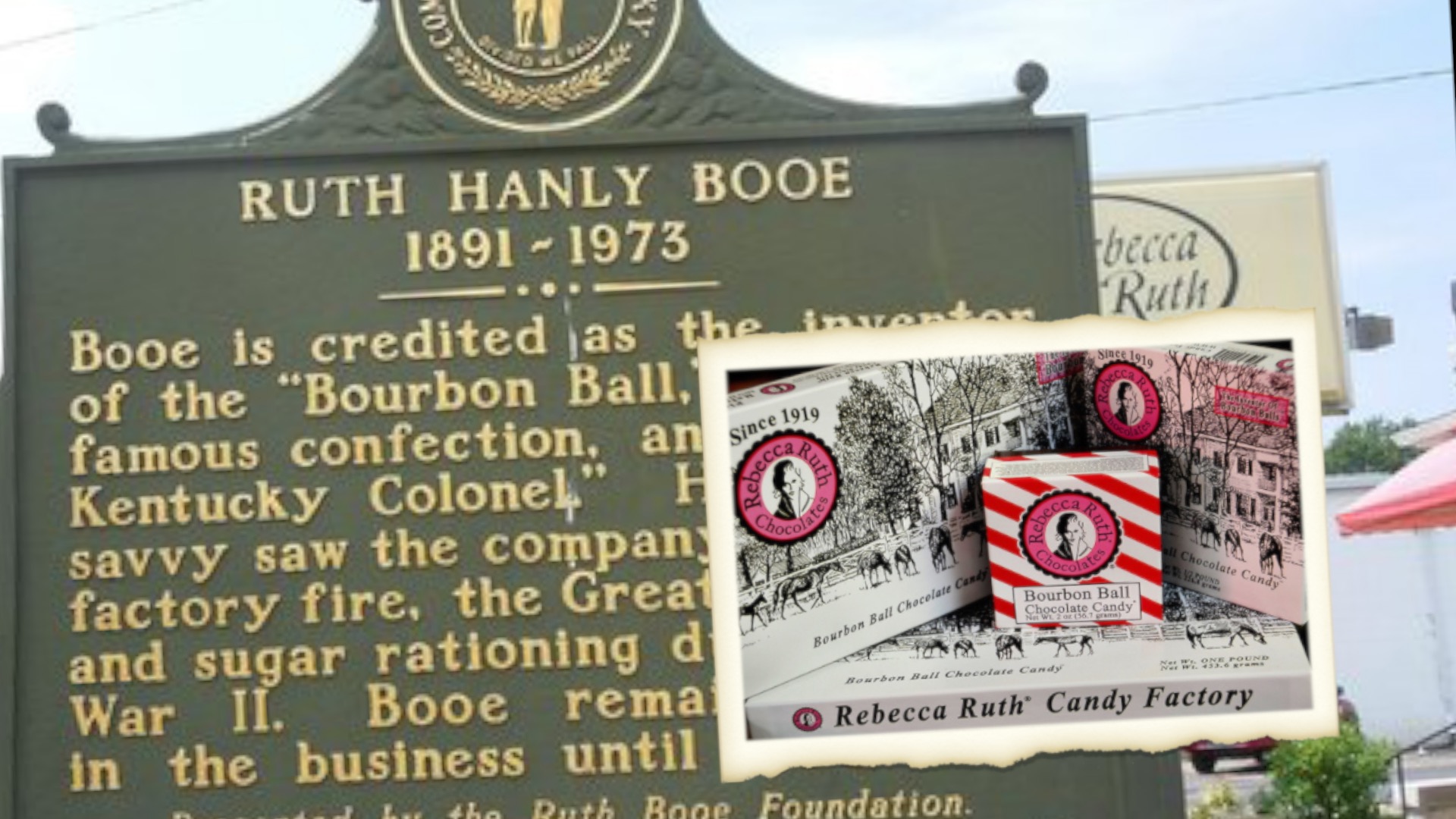 In 1919, friends Ruth Hanly and Rebecca Gooch left teaching to found Rebecca-Ruth Candy. Operating out of the barroom of the Frankfort Hotel, closed due to Prohibition, the two were successful entrepreneurs before women gained the right to vote. In 1929, Gooch sold her half of the business to widow Booe. Booe is credited as the inventor of the “Bourbon Ball,” a world-famous confection, and the “Mint Kentucky Colonel.” Her business savvy saw the company through a factory fire, the Great Depression, and sugar rationing during World War II. Booe remained active in the business until 1964. The historical marker is located at 12 E. Second Street, Frankfort, KY.
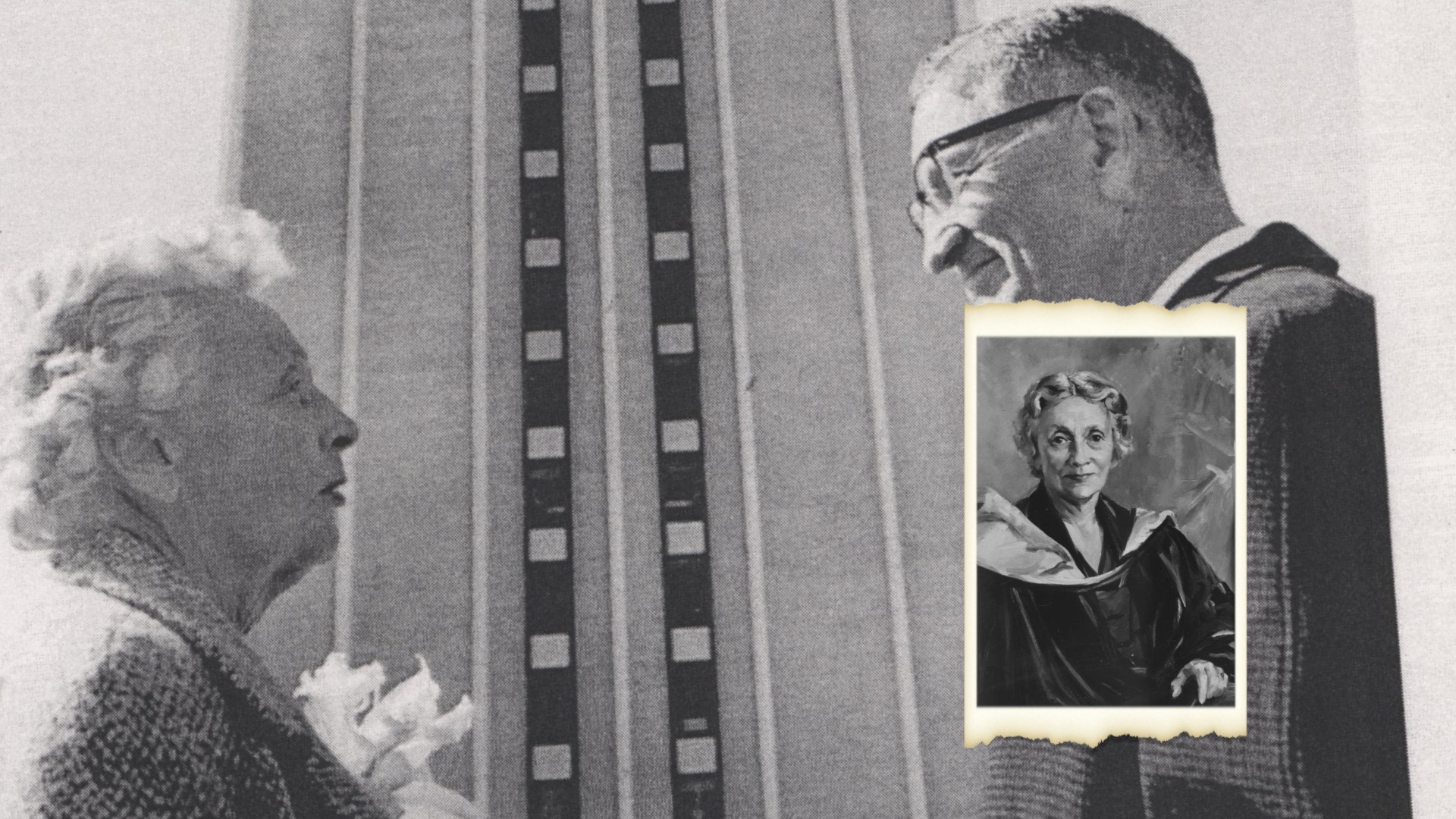 Sarah Blanding article written by Becky Riddle. Given to the University of Kentucky by the class of 1997, Historical Marker #2011 honors Sarah Blanding (1898-1985). She was born on a farm in Kentucky in 1898. After graduating from the New Haven Normal School of Gymnastics in 1919, she was hired as the physical education instructor by the University of Kentucky. At the same time, she began her undergraduate work in the A. B. program. While attending UK, she was president of Kappa Kappa Gamma sorority and the captain of the women’s basketball team under coach A. B. “Happy” Chandler. READ MORE ABOUT SARAH BLANDING
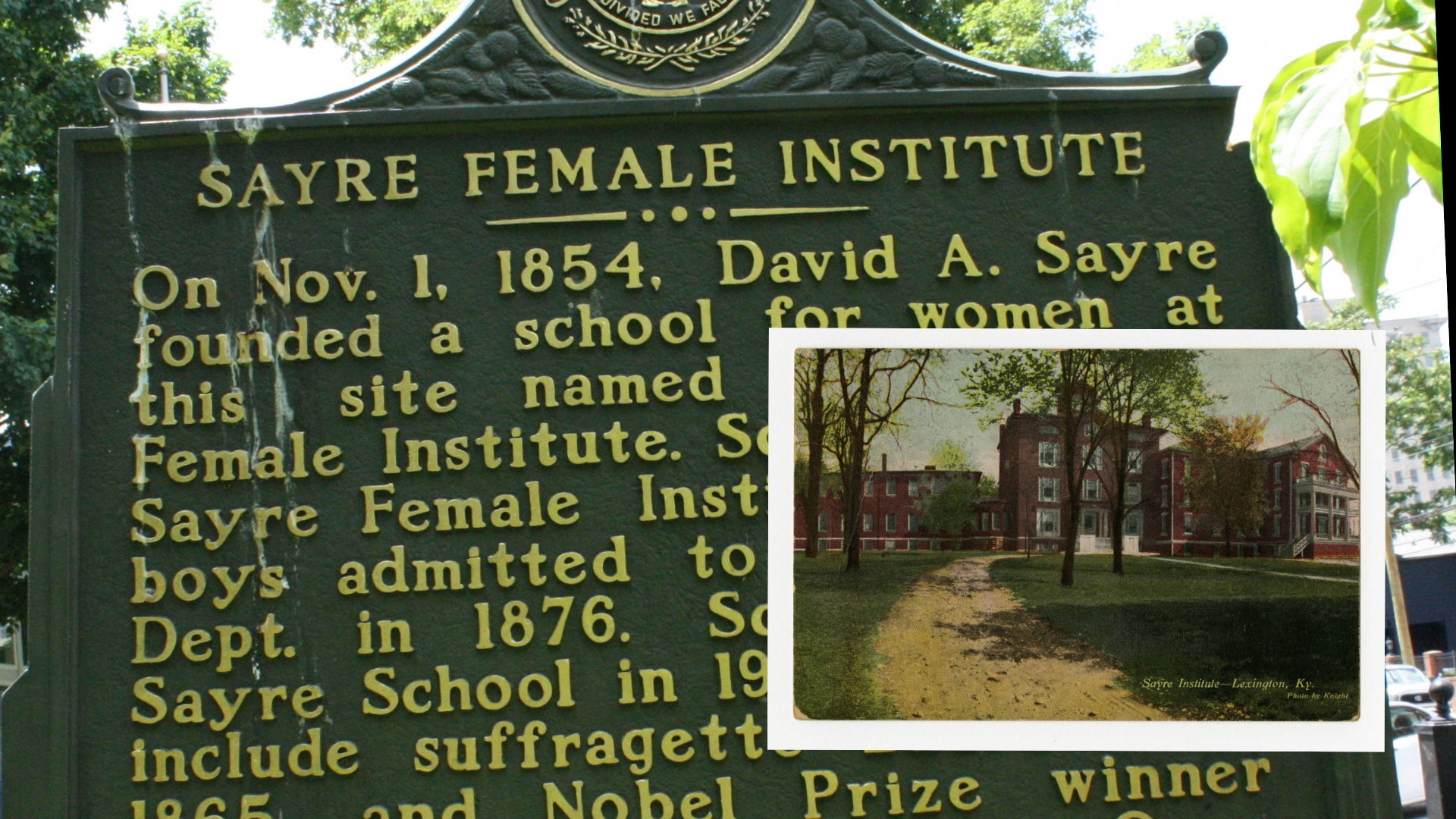
Sayre Female Institute written by Amy Roe. Historical Marker #2197 in Lexington commemorates the Sayre Female Institute which is now the Sayre School. The school was founded in 1854 by David Austin Sayre for the education of young women. Sayre believed that women deserved an “education of the widest range and highest order.” Originally named Transylvania Female Institute, the school was renamed in honor of Sayre in 1885. The school’s original curriculum included French, Latin, German language and literature, and vocal and instrumental music, which were typical courses of study for women in that era. The historical marker is located at 194 North Limestone, Lexington.
READ MORE ABOUT SAYRE FEMALE INSTITUTE
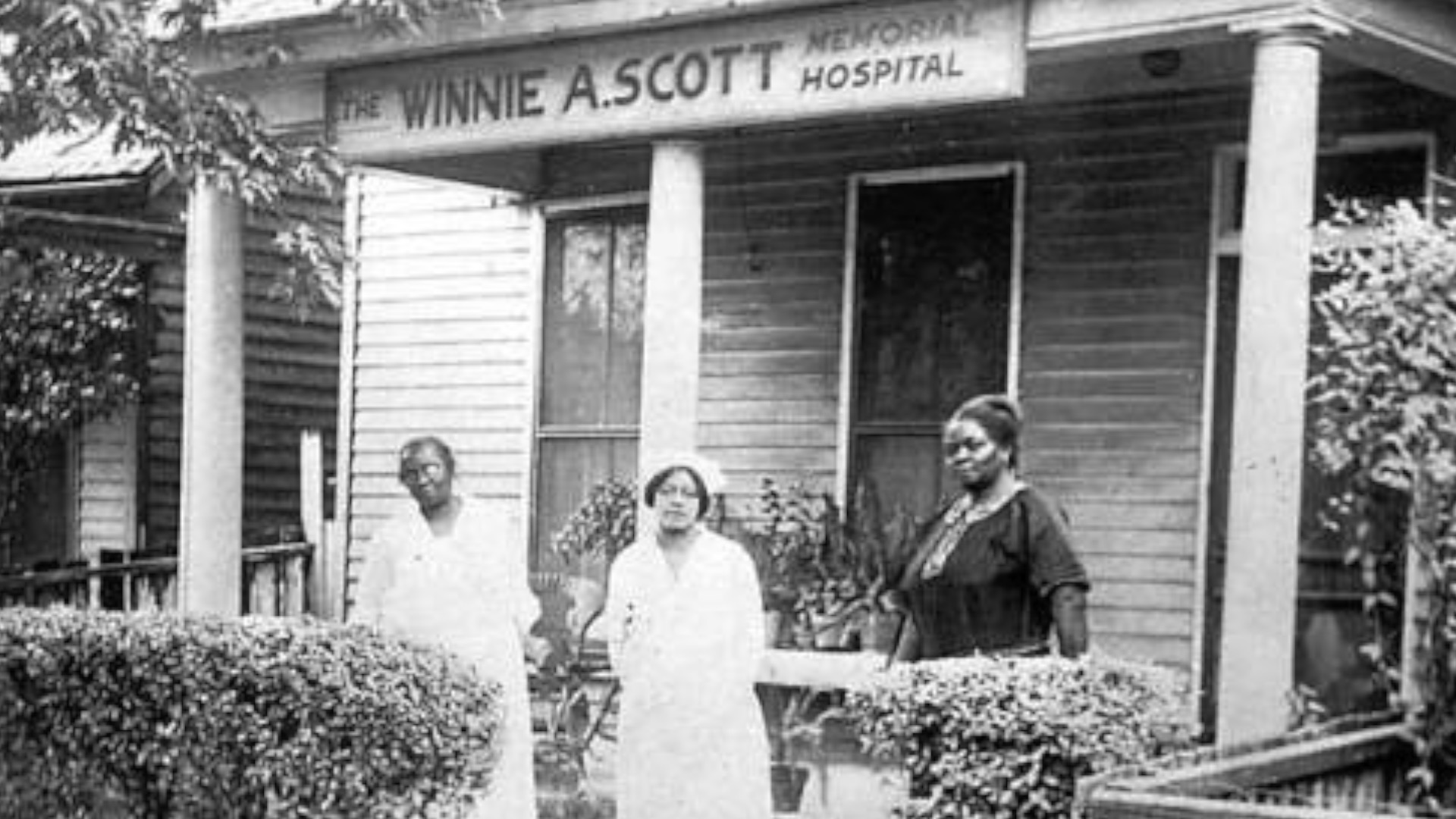
Site of Winnie A. Scott Hospital written by Kate Sowada. Historical Marker #2025 commemorates the site of Winnie A. Scott Hospital, which was located at 228 East Second Street in the South Frankfort neighborhood. South Frankfort’s northeastern section has historically had a large African American population. Because of segregation, however, until the Scott Hospital was constructed African Americans had few options for medical treatment. In the book “Community Memories: A Glimpse of African American Life in Frankfort, Kentucky,” Margaret McIntosh recalls, “there was no hospital for Blacks to go to, unless it was an emergency. And if it was an emergency, they had to go in the back way and be operated on and after they recovered, they’d bring them back out and take them home.” The Women’s Club Hospital Company, with community support, established a hospital on December 26, 1915. The property for the hospital was bought from Lena Morton, a local widow. The historical marker is located at 228 E. 2nd St., Frankfort, Kentucky.
READ MORE ABOUT THE SITE OF WINNIE A. SCOTT HOSPITAL

In 1886, Bishop McCloskey purchased Steller’s Woods at Cavewood Ave. (now Clifton) & Payne St. for a new parish. Named for Francesca Romana (1384-1440, canonized 1608, feast day Mar. 9), who inspired women to pray, care for sick, & feed hungry. Dedicated Oct. 2, 1887, Fr. Thos. White was first pastor. Windows and organ from St. Mary’s, 1937. Organ built in 1884 by Louis Van Dinter. Catholic & Clifton History- Catholic diocese moved from Bardstown to Louisville 1841. 1st bishop, Rev. Joseph Flaget. Cathedral 1852. Nearby churches: St Martin du Tours 1853; St Joseph’s 1866; Holy Trinity 1882; St Francis Assisi 1886; Holy Spirit 1937. Clifton chartered 1876 and named after estate of Joshua Bowles at Vernon and Sycamore St. Early bldgs.: Toll House 1830; Ky. School Blind 1853; Workhouse 1850. The historical marker is located at 122 S. Clifton Ave., Louisville, KY.
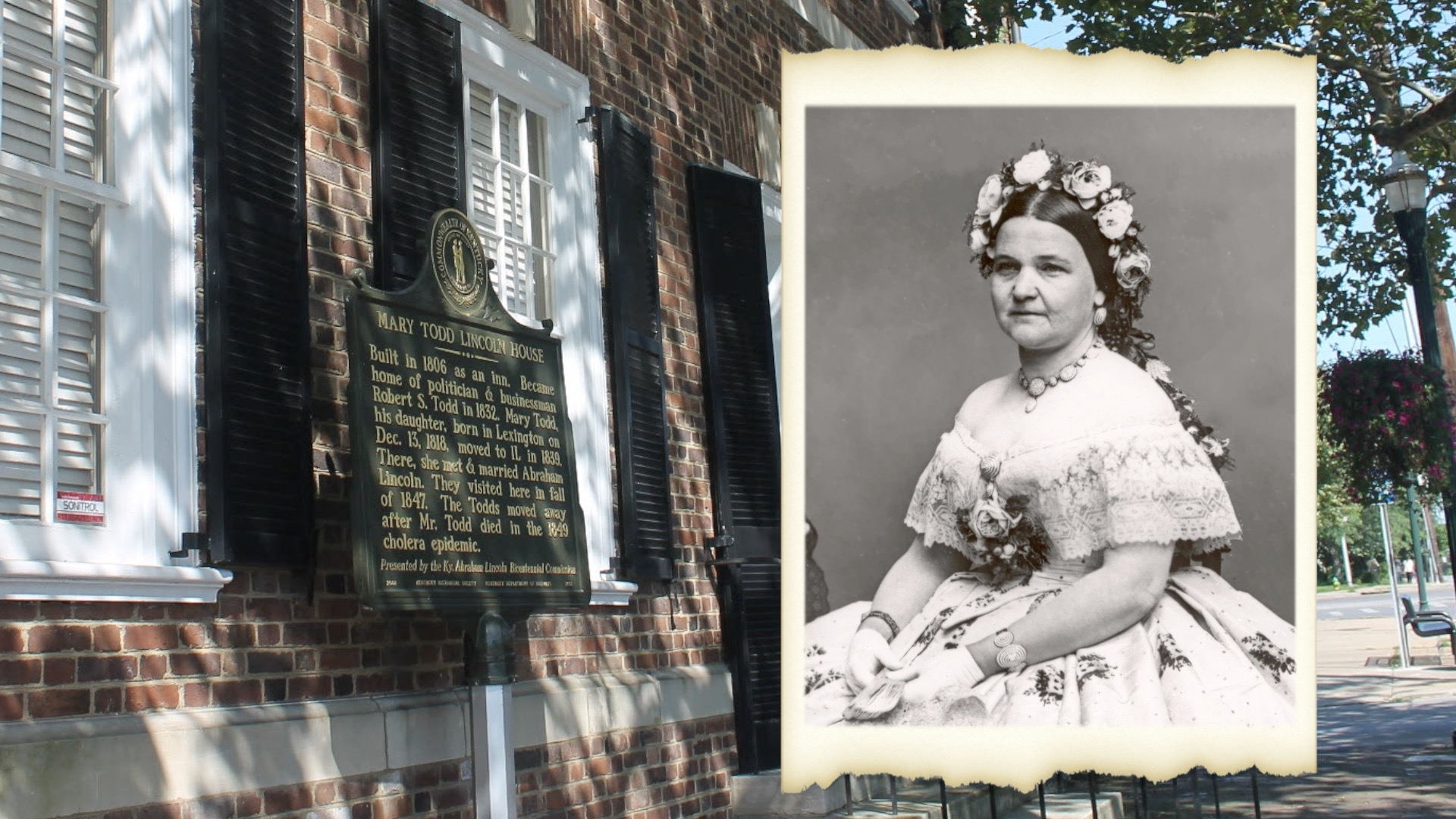 Mary Todd Lincoln House written by Warren Greer. Historical Marker #2261 in Fayette County recognizes the Mary Todd Lincoln House, which is now a museum. Mary Ann Todd was born in Lexington, Kentucky, on December 13, 1818. She was the granddaughter of Levi Todd, one of the founders of Lexington, and daughter of Robert S. Todd, a prosperous business leader and active Whig. Mary attended two schools in Lexington over a period of nine years, making her one of the best-educated women of her generation. In 1839, Mary Todd joined her older sisters in Springfield, Illinois, where she lived with her sister Elizabeth (Todd) Edwards. There she met Abraham Lincoln whom she married in 1842. They had four children: Robert Todd, Edward, William, and Thomas (Tad); all but the eldest, Robert Todd, predeceased her. READ MORE ABOUT MARY TODD LINCOLN
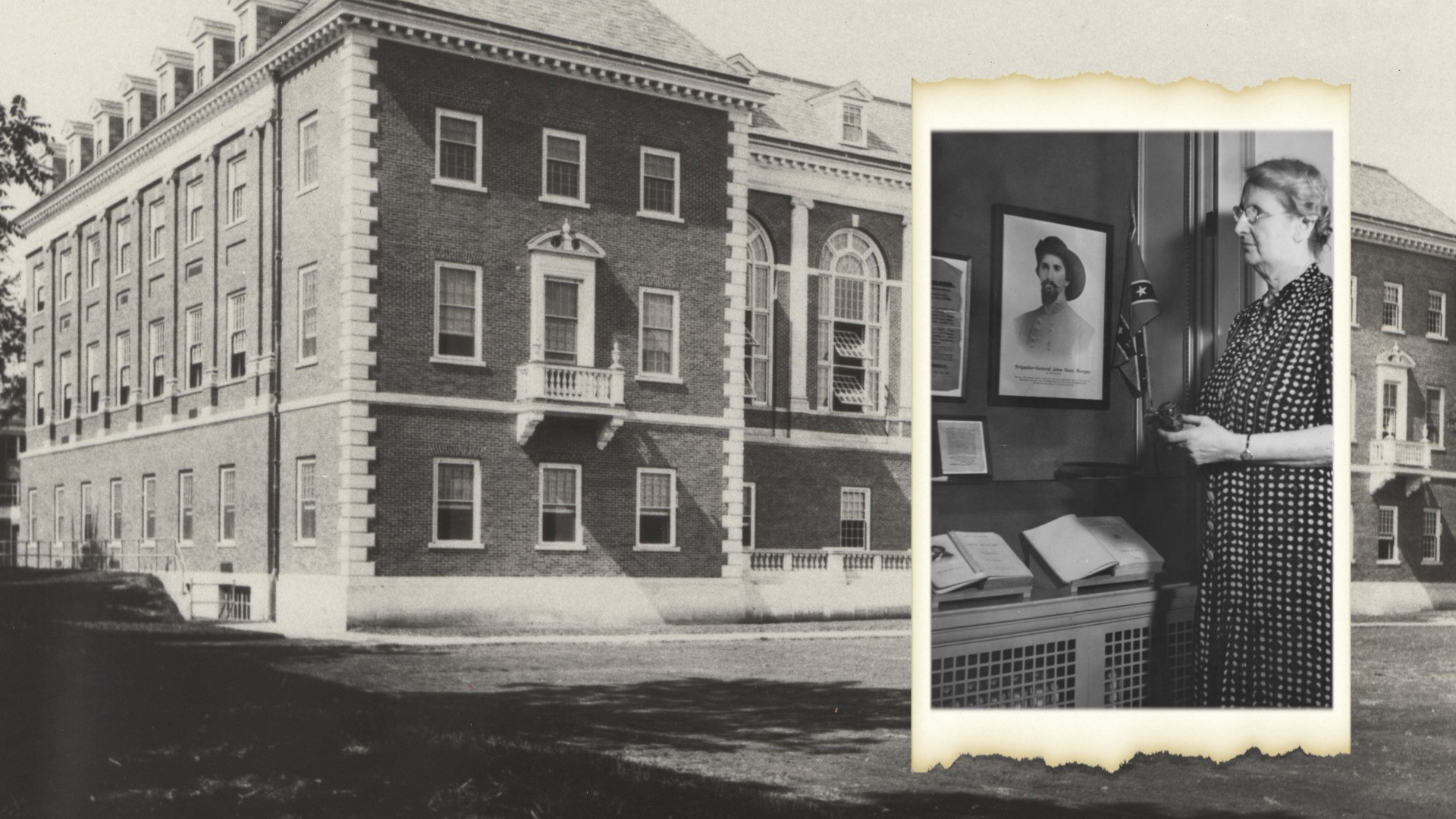
Margaret I. King Library written by Becky Riddle. Given to the University of Kentucky by the class of 2009, Historical Marker #2315 commemorates the Margaret I. King Library. Margaret Isadora King was born in Lexington on September 1, 1879. She graduated from the University of Kentucky in 1898 and was the salutatorian for her class. She was secretary to James Patterson, the first president of the university, and became the university’s first librarian in 1912. She also served as an instructor in both Library Science and English. She retained those positions until she retired in 1949. She died in 1966 and is buried in the Lexington Cemetery.
CLICK HERE FOR MORE INFORMATION AND A MAP LOCATING THE MARGARET KING LIBRARY MARKER.
Willa Beatrice Brown Chappell written by Kate Sowada. Historical Marker #2398 in Glasgow recognizes the first African American woman to earn a pilot’s license in the United States. Willa Brown Chappell, a Glasgow native, was influential in breaking through racial barriers in the aviation field through her achievements as pilot, instructor, and activist. Inspired by the aviatrix Bessie Coleman, Chappell started flying lessons in 1934 at Chicago’s Aeronautical University. There, she trained with Cornelius R. Coffey at the racially segregated Harlem Field. Three years later, she earned her private pilot’s license and also earned a master’s degree from Northwestern University.
READ MORE ABOUT WILLA BEATRICE BROWN CHAPPELL.